Pre-Listing Home Inspection in San Diego: Is It Worth It for Sellers?
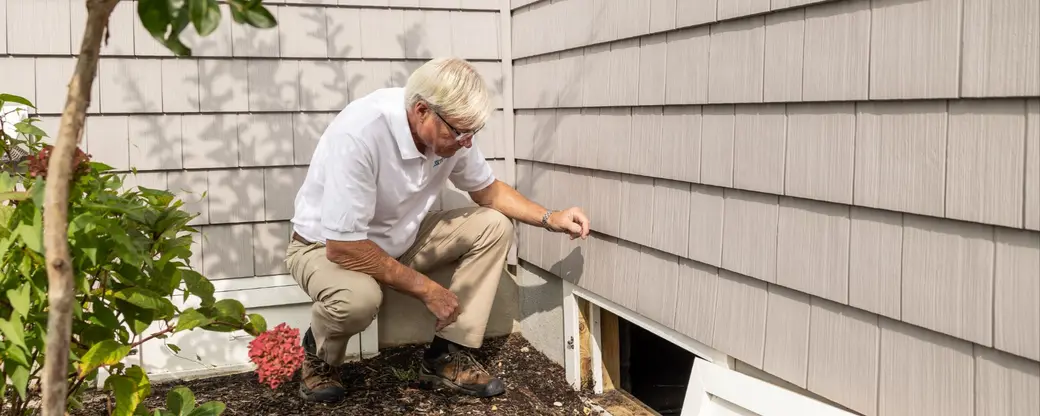
A pre-listing home inspection is an inspection you order yourself before your home goes on the market, and in San Diego it can be worth it when your home is older, has deferred maintenance or you want fewer surprises once a buyer is under contract. It is not required, and it is not right for every seller. The real question is whether you would rather learn about problems on your own schedule or on the buyer's schedule. This guide walks through the pros and cons, a simple cost example and how an inspection ties into your disclosures.
The short answer
- A pre-listing inspection is optional. You pay for it, and the report belongs to you.
- It helps most with older homes, homes with unknown history and sellers who want to avoid a big repair request in escrow.
- It does not replace the buyer's inspection. Most buyers will still do their own.
- What you learn can affect what you disclose, so talk to your agent before you order one.
What a pre-listing inspection covers
It is the same kind of visual inspection a buyer would order. An inspector looks at the roof, structure, electrical, plumbing, heating and cooling, water heater, windows, doors and visible signs of moisture or damage. You get a written report, usually with photos.
Many sellers also look at add-on checks that matter in California, such as a wood destroying pest report, a roof inspection or a sewer line camera inspection. Ask your inspector which of these make sense for your home's age and type. Fees depend on the size and age of the home and the extras you choose, so get quotes from two licensed inspectors before you book.
The case for inspecting first
- No surprises. You find out about a worn roof or an old panel before a buyer does.
- More control over repairs. You can hire your own contractor, get more than one quote and fix items on your timeline instead of under a deadline.
- Better pricing. If the report shows work that is coming, you can price the home with that in mind.
- A smoother escrow. When buyers see a report up front, fewer issues come as a shock, so there are fewer reasons to renegotiate.
- Clean paperwork. The report helps you answer the disclosure forms accurately.
Timing matters here. If you plan to prepare your home for sale, schedule the inspection early in that month of prep so repairs fit into your plan. My guide on preparing your home to sell shows a four week timeline you can use.
The case against it
- You pay up front. You spend money before you know if you will get an offer.
- You cannot un-know what it says. If the report shows a known problem, you generally need to disclose it to buyers, whether or not you fix it.
- Buyers may still inspect. An inspection report does not always stop a buyer from ordering their own, and their inspector may find different items.
- It can create a repair list you did not plan for. Some sellers feel pressure to fix everything on the page.
That disclosure point is the one to understand. The California Department of Real Estate's disclosure booklet explains that sellers of most one-to-four unit homes must tell buyers about known conditions. A report is information you now have, so it becomes part of what you know. I cover the timing rules in my guide to California seller disclosures.
A cost versus credit example
Here is a hypothetical to show how the numbers can work. The figures are examples, not San Diego averages. Say you pay $600 for an inspection before you list. It shows a failing water heater valve, a missing smoke detector and loose roof tiles. You hire a contractor and fix them for $2,150 total.
| Path | What you spend | What happens |
|---|---|---|
| Inspect first, fix before listing | $600 inspection + $2,150 repairs = $2,750 | Buyer's inspector finds a clean report on those items, and fewer reasons to ask for money. |
| Wait for the buyer's inspection | $0 up front | The same items appear in the buyer's report. The buyer asks for a $5,500 credit because of rush quotes and uncertainty. |
| Inspect first, fix nothing | $600 inspection | You disclose the findings. Buyers may price the work into their offers, and some may ask for credits anyway. |
In the first path you spent $2,750. In the second you gave up $5,500. That difference is not guaranteed, but it shows why many sellers like having a quote in hand before a buyer asks. If a buyer does send a repair request later, my guide on responding to inspection repair requests covers how to handle it.
Who should seriously consider one
- Owners of older homes or homes with unknown past work.
- Sellers who inherited a home or have not lived in it for years.
- Homes with visible signs of past leaks, cracks or deferred maintenance.
- Sellers who want a quiet, fast sale and plan to fix issues before listing.
- Anyone who plans to price the home with repairs already done.
If your home is newer, well maintained and recently serviced, you may do fine without one. A good agent can walk through your home with you and tell you where buyers are likely to push back.
How to do it in four steps
- Talk to your listing agent first about what to do with the findings and how they affect your disclosures.
- Hire a licensed inspector and ask for a sample report, so you know what you will get.
- Read the report with your agent and sort items into safety issues, major systems and cosmetic items.
- Get two quotes on anything you plan to fix, hire licensed contractors and keep receipts and permits.
- Share the report and repair records with buyers in a way your agent recommends.
This is not a guarantee
An inspection reports on the day it happens. It cannot promise that nothing will break next month, that buyers will skip their own inspection or that you will avoid every negotiation. It is one tool for reducing surprises.
Important notice
Important notice: This guide is general information. It is not legal advice, and I am a REALTOR®, not an attorney or a licensed home inspector. What you must disclose after an inspection depends on your facts. Before you order a report or decide how to share it, talk with a licensed California real estate attorney.
My advice for San Diego sellers
- Ask your agent early whether a pre-listing inspection fits your home and your timeline.
- Get quotes from two licensed inspectors, and ask for a sample report.
- Plan to disclose what the report finds, and fix the items that matter most before you list.
- Keep receipts and permits for every repair.
- Do not skip repairs that could affect safety just to save money.
Call or text me at (619) 402-4614 or send me a message.
Call or text (619) 402-4614Contact Trevor LandressRelated guides
- California seller disclosures in San Diego
- Listing photos and California's AB 723
- Handling multiple offers as a San Diego seller
- How to compare home offers in San Diego
- How to prepare your home to sell in San Diego
- How long it takes to sell a home in San Diego
- Responding to inspection repair requests
Frequently asked questions
What is a pre-listing home inspection?
It is a professional inspection you order before you list your home. You get a written report on the home's condition, which you can use to make repairs, set a price and fill out your disclosures.
Do I have to disclose what a pre-listing inspection finds?
Sellers of most one-to-four unit California homes must disclose known conditions. A report is information you now know, so talk to your agent or an attorney about how its findings affect your disclosures.
Will buyers still do their own inspection?
Most will. A seller's report can reduce surprises, but it does not always replace the buyer's inspection.
How much does a pre-listing inspection cost in San Diego?
It depends on the size and age of the home and any add-on checks such as pest, roof or sewer line. Get two quotes from licensed inspectors before you book.
Should I fix everything the report finds?
Not always. Focus first on safety items and major systems. Cosmetic items can wait, and your agent can help you decide what buyers in your price range will expect.
About the author
Trevor Landress is a San Diego REALTOR® with Coldwell Banker West (DRE# 02126901). He was born and raised in San Diego and has been licensed since 2021.
Trevor is part of the Campbell Group, a three-generation real estate team, and he and the Campbell Group consistently rank as a top producing team at Coldwell Banker West each month.
He helps homeowners sell, guides first-time buyers through the home buying process and assists investors with their next acquisition. His work includes negotiating offers, analyzing market trends, building pricing strategies and running marketing campaigns for his listings. He serves clients across San Diego County, from coastal communities like La Jolla, Del Mar and Carlsbad to neighborhoods inland.
He writes these guides to help San Diego buyers and sellers navigate an ever-changing market. To talk through your plans, call or text (619) 402-4614 or contact Trevor Landress.
How I help San Diego home buyers
I walk buyers through each step, from getting pre-approved and touring homes to writing offers, reviewing inspections and getting to the closing table. I explain the numbers in plain English so you know what you are agreeing to before you sign.
How I help San Diego home sellers
I help sellers price their home from recent sold comparables, plan prep and photos, review every offer beyond the price, and keep the sale on track through inspection, appraisal and closing.
Rules and official pages
Categories
Recent Posts